Content
UGC vs Influencer Content: What's the Difference and When to Use Each
Quick answer
UGC creators make content for your channels. Influencers post to their own audience. Learn the difference, the costs, and when Pune brands should use each one.
Table of contents (9 sections)
- What is UGC?
- What is influencer content?
- The key differences
- Where it is posted
- What you are paying for
- Follower count
- Ownership and usage
- Cost
- When to use UGC
- When to use influencer content
- Using both together
- Tips for a good UGC brief
- Disclosure still applies
- Frequently asked questions
- Is UGC cheaper than influencer marketing?
- Can an influencer also make UGC?
- Do I own UGC content?
UGC (user-generated content) is content a creator makes for your brand to post on your own channels or ads. Influencer content is posted on the creator's own account, to their followers. Use UGC when you need lots of authentic videos for ads and product pages. Use influencer content when you need reach and trust from an existing audience.
What is UGC?
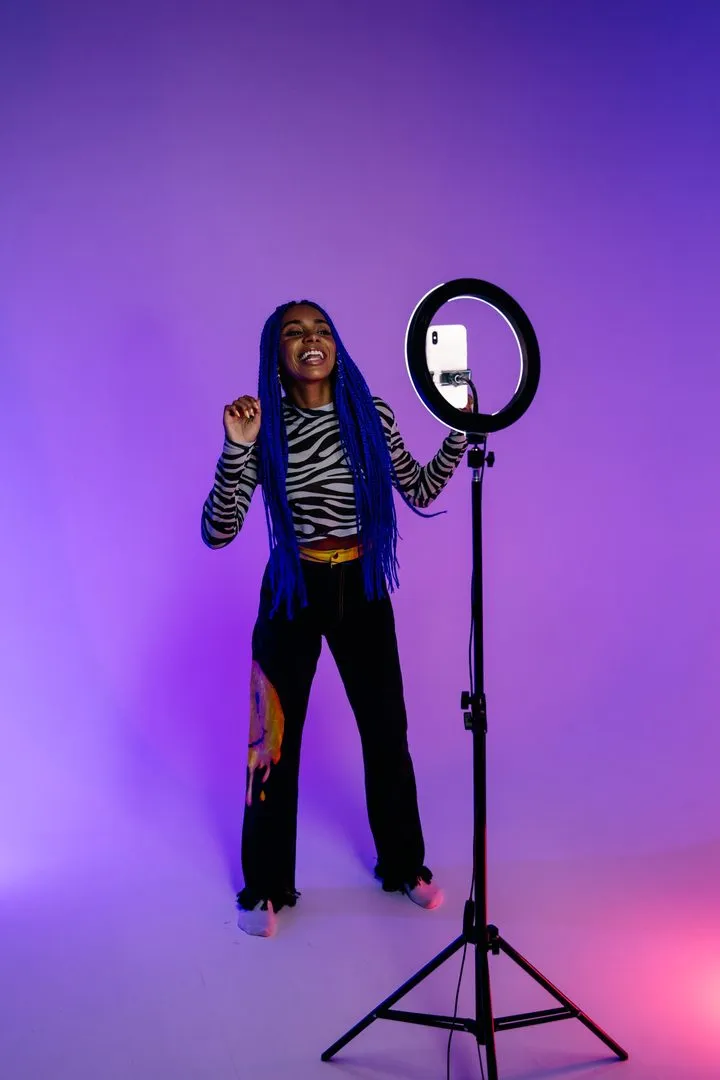
UGC started as content real customers shared on their own, such as unboxing videos or reviews. Today it also includes paid UGC: creators who are hired to make natural-looking videos and photos that the brand owns and uses. These creators do not need a large following. What matters is that they can make content that feels real, like a friend showing you something they use.
Common UGC formats include:
- Unboxing and first impressions
- Short product demos and tutorials
- Testimonial-style videos
- "Day in my life" clips featuring the product
- Before-and-after content
What is influencer content?
Influencer content is created and posted by a creator on their own profile. The main value is their audience. Their followers see the post because they already follow and trust that person. The brand pays for both the content and the access to that audience.
The key differences
Where it is posted
UGC goes on your channels: your Instagram, website, product pages and paid ads. Influencer content goes on the creator's channels first, though you can often reuse it with permission.
What you are paying for
With UGC, you pay for the content itself. With influencer marketing, you pay for content plus distribution to the creator's followers.
Follower count
UGC creators can have very few followers. Influencers are chosen largely for the size and quality of their audience.
Ownership and usage
UGC is usually made for you to own and use freely, within the terms of your agreement. Influencer content belongs to the creator unless you buy usage rights.
Cost
UGC videos often cost less per piece than influencer posts, because there is no audience fee. This makes it easier to order many versions and test them in ads.
When to use UGC
- Running paid ads: UGC-style videos often feel less like ads, so people are more likely to watch them.
- Testing messages: order several videos with different hooks and see which one works.
- Filling product pages: real-looking videos help shoppers decide.
- Keeping your feed active: steady content without a studio shoot.
- Limited budget for reach: you get content now and add paid reach later.
When to use influencer content
- Launching something new: you need people to hear about it fast.
- Building trust in a new market: a respected local voice matters.
- Local businesses: a café in Koregaon Park benefits from a Pune food creator's followers.
- Community and social proof: comments and shares on a creator's post build credibility.
Using both together
Many brands in Pune use UGC and influencer content side by side. A simple plan:
- Work with a few influencers to launch and build awareness.
- Order UGC videos from several creators for ads and your website.
- Buy usage rights for the best influencer videos and run them as ads too.
- Check which content drives the lowest cost per result and order more of it.
For example, a home décor brand in Baner might ask two local interior creators to post room makeovers. At the same time, it orders ten short UGC clips showing the products in different homes around Wakad, Aundh and Kharadi. The influencer posts create interest. The UGC clips turn that interest into sales through ads.
Tips for a good UGC brief
- Describe your customer and their main problem.
- List two or three key points to cover, not a full script.
- Specify length, format (9:16 vertical is common) and number of hooks.
- Say whether you need raw footage, captions or voiceover.
- Agree on usage rights and duration in writing.
Disclosure still applies
If UGC is posted on a creator's own account as part of a paid deal, it must be labelled as an ad. When you run UGC as your own ad, the platform's ad label covers it. Avoid presenting paid content as an unpaid customer review.
To learn how we produce content for Pune brands, see our user-generated content service, or explore our Instagram influencer marketing campaigns.
Frequently asked questions
Is UGC cheaper than influencer marketing?
Per piece of content, UGC is usually cheaper because you are not paying for access to an audience. You will need a separate budget for ads or organic posting to get it seen.
Can an influencer also make UGC?
Yes. Many creators offer both. They can post on their own profile and also supply extra videos for your ads. Agree on the price for each part separately.
Do I own UGC content?
It depends on your agreement. Most paid UGC deals give the brand usage rights for a set period or permanently. Put the terms in writing before work starts.